
Holding grudges against someone you love can feel justified, especially when you’ve been deeply hurt. But the longer resentment stays with us, the more time and emotional energy it can take away from our relationships and our own happiness. Letting go doesn’t mean pretending nothing happened—or allowing someone to hurt you again. Sometimes it simply means deciding that the anger no longer gets to control your life.
What Does It Mean to Hold a Grudge?
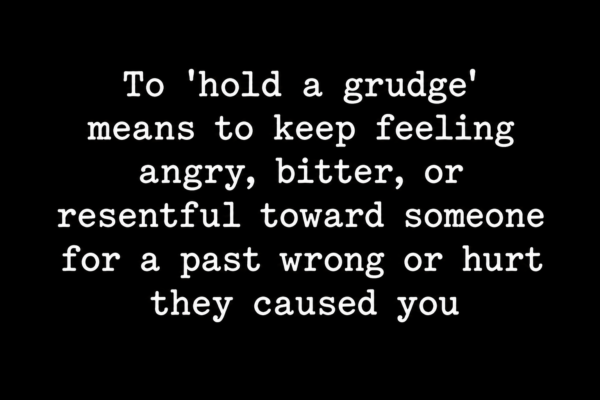
Holding a grudge means continuing to carry anger, resentment, or hurt long after something painful has happened. Sometimes the feelings are tied to a specific argument or betrayal, while other times they build slowly after years of disappointment, misunderstandings, or unresolved conflict.
It’s important to remember that letting go of a grudge does not mean pretending the hurt never happened. It also doesn’t mean excusing someone’s behavior, forgetting what they did, or automatically rebuilding the relationship. As I explain in my post about forgiving without forgetting, forgiveness can be about releasing the emotional weight of what happened rather than pretending it was okay.
Forgiveness can simply mean deciding that you no longer want the pain and resentment to have so much control over your thoughts and emotions. You can choose to let go while still protecting yourself, setting healthy boundaries, or keeping your distance when that is what feels right.
Sometimes moving forward means repairing a relationship. Other times, it means finding peace without reconciliation. Either way, letting go is less about giving the other person a free pass and more about giving yourself permission to stop carrying the weight of the past.
Why Holding Grudges Can Hurt You
Holding onto resentment can keep you emotionally tied to the moment you were hurt. Even when the argument, betrayal, or disappointment happened a long time ago, replaying it in your mind can make the pain feel fresh and take attention away from the life you are living now.
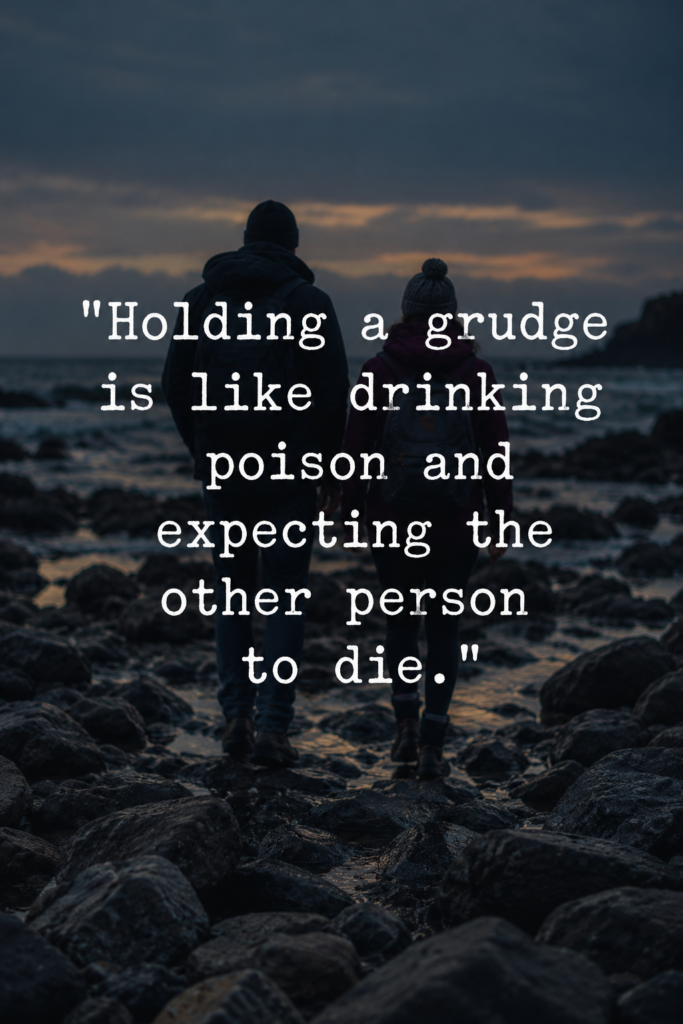
There’s a well-known saying: “Holding a grudge is like drinking poison and expecting the other person to die.” The image may be dramatic, but the message is powerful. When we stay consumed by anger, the person who hurt us may have moved on while we are still carrying the emotional weight.
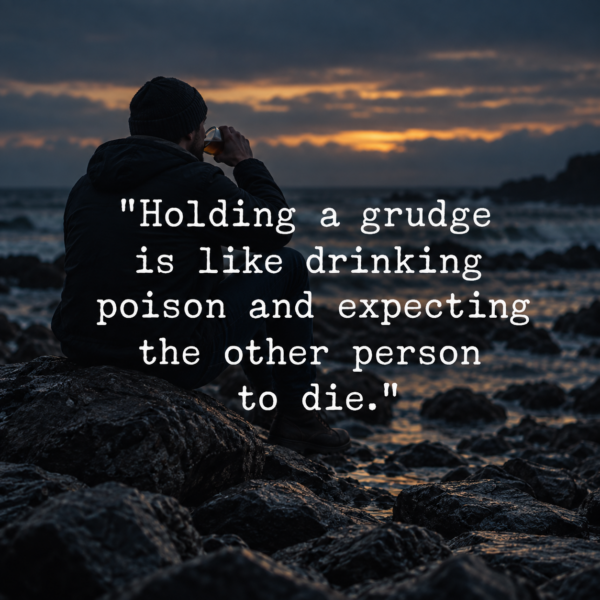
That doesn’t mean your feelings aren’t valid. Hurt, anger, and disappointment are normal responses when someone has treated you badly. The problem comes when those feelings begin taking up more space than they deserve.
According to the Mayo Clinic, forgiveness has been associated with healthier relationships, less anxiety and stress, and greater emotional well-being. Letting go of resentment can help shift your focus away from what happened in the past and toward what you can control now.
Sometimes that means having an honest conversation. Sometimes it means setting boundaries. And sometimes it simply means deciding that you no longer want an old hurt to have so much influence over your happiness.
You don’t have to forget what happened to move forward. You just have to decide whether continuing to carry the grudge is helping you—or keeping you stuck.
Don’t Let Grudges Take Away Any More Time with Loved Ones
On the day we’re born, God, the Fates, the universe, or just biology (depending on what you believe) basically writes down our expiration date and locks it away. It could be 100 years from now or tomorrow. We don’t get to know until that date arrives, and by then it’s too late to do anything about it.
So, given that our days are literally numbered, shouldn’t we live like there’s no tomorrow? Shouldn’t we spend as much time as humanely possible with the people that we love, doing what makes us happy? You’d think that would be our top priority in life, right?
Right! Except lately, it’s not. We’re spending way more time feeling angry with each other than we are loving each other these days. We’re holding grudges like never before, and those grudges are chip-chip-chipping away at whatever time we have left together. It makes me so sad, thinking about how all of this anger will lead to nothing but regret.

Don’t Let Pride Steal Time With the People You Love
I saw a great quote by Jerome Trammel that said,
“It only takes one second to say:
- I love you
- I apologize
- Can we talk?
- You were right.
- I don’t want to be at odds.
Stop letting your pride and ego hold you hostage from the happiness in life.”
That’s exactly what we’re doing. We’ve wrapped ourselves up alone in cloaks made of anger and pride when we should be bundled up together under a fuzzy blanket of love. Cheesy, I know, but it’s a good metaphor, don’t you think?
I hear so many stories from friends and loved ones about how grudges are just getting in the way of happiness. Sometimes a disagreement that started over something relatively small—a holiday gathering, a misunderstood comment, parenting decisions, money, or an old family disagreement—turns into months or even years of silence.
Time went by. A day turned into a week, which turned into a month. They didn’t speak during the holidays aside from a brusque “Merry Christmas” text. A new year came and went. As months flew by, it became harder and harder to repair the rift, so it just kept getting wider. After all, at least one of them would have to bury their pride and take the first step. It’s so much easier to hold a grudge than to put your heart on the line and risk rejection, isn’t it?
Family relationships can be especially complicated because old hurts sometimes go back years. If that’s something you’re struggling with, you may also like Forgive Your Parents for Not Being Perfect.
Why Pride and Fear Keep Us Holding Onto Grudges

I saw another quote (unknown source) that perfectly states this. It says, “Don’t let pride get in the way of your happiness. If you miss them, tell them. If you love them, show them. Don’t miss an opportunity out of fear of rejection or looking weak.”
If you want my opinion (and I’ll assume you do since you’re still reading), grudges have very little to do with actual anger and more to do with pride and fear. Sure, they may start off with anger. Someone does something we don’t like, and we get mad. That’s a normal human reaction.
When Anger Turns Into Pride and Fear
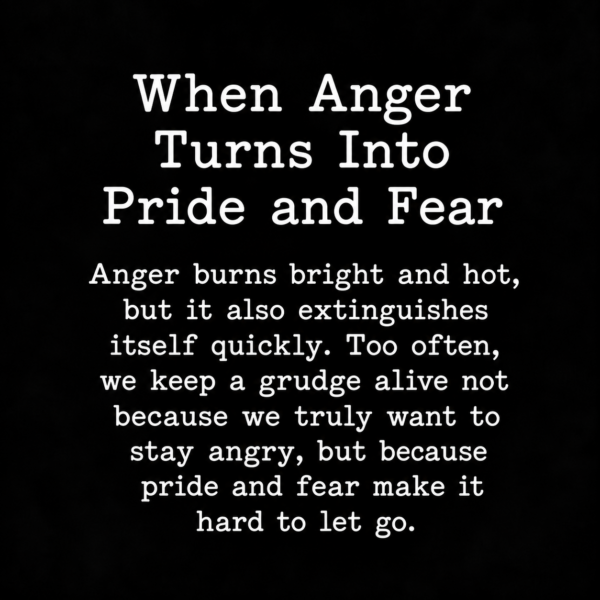
The thing is, anger burns bright and hot, but it also extinguishes itself pretty quickly. When it does, we’re left with two decisions: let the smoke clear and get to work on repairing the damage or stoke the remaining embers and try to rekindle its flame.
Too often, we choose the latter, not because we genuinely want to keep feeling angry and resentful, but because we’re too scared to let it go, especially if we’ve been stoking the flames for a very long time. We know that the longer we let it burn, the greater the damage it causes, and the harder we’ll have to work to set things right again.
That terrifies us, because what if we finally do put it out and put our heart out there only to hear, “Sorry, but it’s too late. I gave up on waiting for you to forgive me long ago. I forgave myself, moved on, and realized that my life is better without you in it.” Sure, it’s unlikely that someone we love would ever say that to us, but fear rarely pays attention to logic. So we let ourselves believe that could happen, We use it as an excuse to fool ourselves into thinking that we’re still mad just so we can avoid taking that leap.
The Real Cost of Holding Onto a Grudge
The thing is every moment that you avoid taking that risk…every moment that you hold on tight to your grudges and wear them like a suit of armor…is a moment that you’ll never get back. Eventually, unless you really just plain don’t care about that person (in which case, stop wasting time on anger and just let them go), you’re going to make up.
When you do, you’ll realize that you’ve allowed anger, pride, and ego to steal what little time you have with someone you love. That’s when true regret sets in. When your expiration date nears and you’re reflecting on your life, I can promise that you won’t say to yourself, “I regret not holding onto that grudge against Mary a bit longer. A year just wasn’t enough time to waste on anger.”
How to Let Go of a Grudge
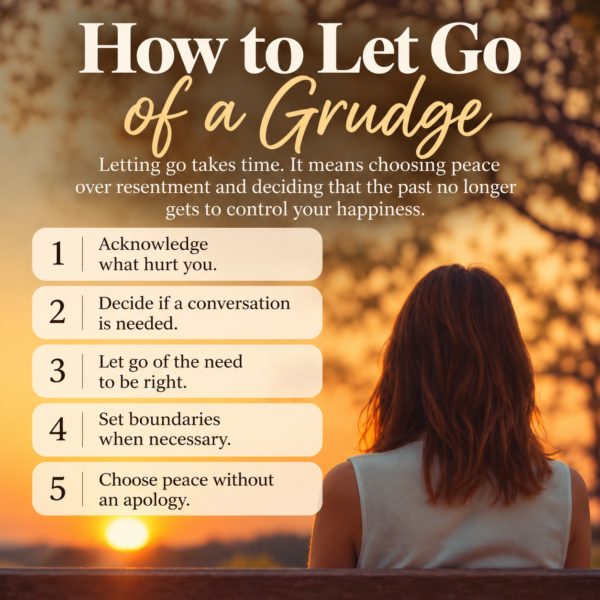
Letting go of a grudge usually doesn’t happen all at once. It’s a process of deciding that you no longer want one painful moment, argument, or betrayal to keep taking up space in your life. That doesn’t mean ignoring what happened or forcing yourself to forgive before you’re ready. It means being honest about what hurt you, deciding what needs to happen next, and choosing the response that protects your peace rather than keeps you stuck in resentment.
- Acknowledge what hurt you
- Decide whether a conversation is needed
- Let go of the need to be proven right
- Set boundaries when necessary
- Choose peace even without an apology
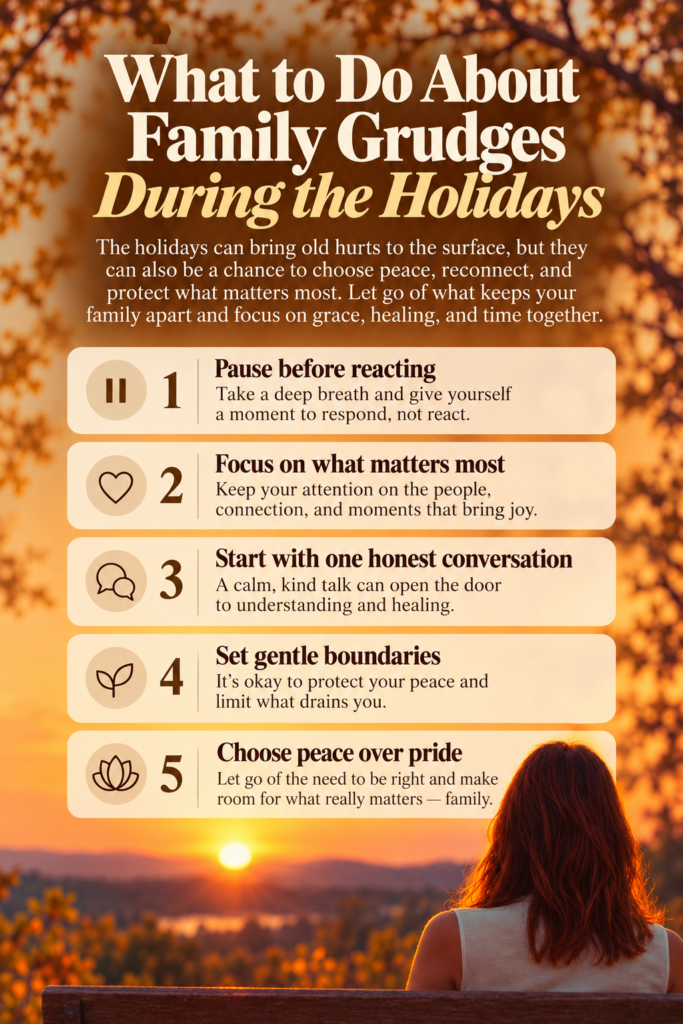
What to Do About Family Grudges During the Holidays
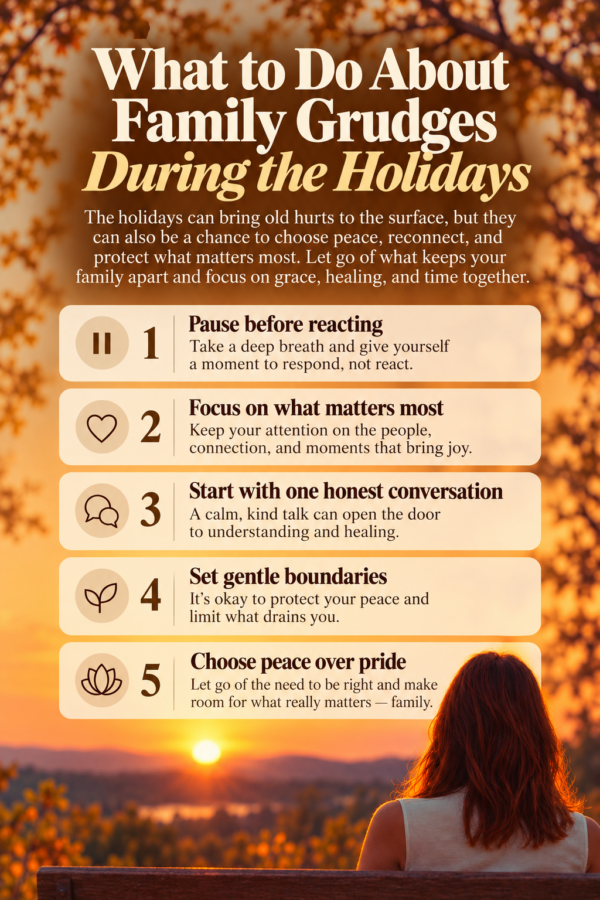
The holidays have a way of bringing family relationships into sharper focus. Old disagreements, hurt feelings, and unresolved tension can suddenly feel heavier when everyone is expected to gather, celebrate, and enjoy time together. But the holidays can also be an opportunity to decide what really matters and whether a grudge is worth carrying into another year.
If there is still love underneath the hurt, consider taking one small step toward peace. That might mean having an honest conversation, sending a simple message, listening without immediately defending yourself, or deciding that being right matters less than repairing the relationship.
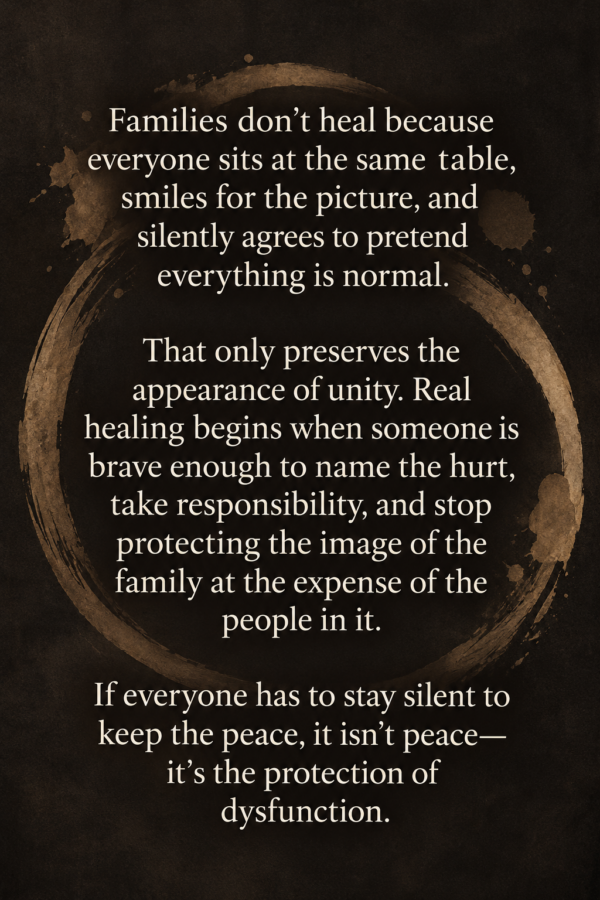
At the same time, forgiveness doesn’t require you to ignore unhealthy behavior. You can let go of resentment while still setting boundaries and protecting your peace. The goal isn’t to create a picture-perfect holiday or force a reconciliation that isn’t ready to happen. It’s simply to make room for less anger, more understanding, and the possibility of moving forward.
Time with the people we love is limited. If a relationship is worth saving, the holidays can be a meaningful reminder that sometimes the best gift we can give each other is grace.
Final Thoughts
Learning how to let go of a grudge doesn’t mean forgetting what happened or pretending the hurt wasn’t real. It means deciding that the pain no longer deserves so much of your time, energy, and happiness. Whether the grudge involves a family member, friend, or someone you once trusted, forgiveness can help you move forward with more peace. Sometimes the greatest gift you can give yourself is simply choosing to release what you cannot change and make more room for the people and moments that matter now.
I’ll finish up with one last quote to summarize. Sarah Teasdale wrote, “Life is too short. Grudges are a waste of perfect happiness. Laugh when you can., apologize when you should and let go of what you can’t change. Love deeply and forgive quickly, take chances, give everything, and have no regrets.”


Leave a Comment